
International
ESPCI Paris – PSL aims to be internationally recognized as a leading institution in education, research, and innovation in physics, chemistry, and biology. The school trains high-level engineers who will go on to work in an international environment. To prepare for this, engineering students and other students learn to communicate with people from other countries, understand their cultures, and become familiar with their work methods.

International Relations in a Few Figures
- 86% of graduates participated in an international exchange program during their studies;
- 15% of the students in the engineering program are international;
- Each year, 10% of engineering students spend their fourth year abroad;
- 30% of the students working in the laboratories are international;
- More than 20 nationalities are represented on campus;
- ESPCI has more than 30 partner universities around the world.

International mobility integrated into the curriculum
ESPCI engineering students are required to complete an international exchange during their program. This exchange may take place as part of their industrial internship or their research project.
On average, 45% of third-year industrial internships are completed abroad. Similarly, 45% of third-year research projects are conducted abroad. This percentage has already reached 61%.

During my first internship at SLB, I used machine learning algorithms to characterise geological reservoirs. That experience introduced me to the geosciences, a fascinating field that brings together physics, signal processing, programming, applied mathematics, chemistry and geology.
Océane Roux
Engineering student, 138th cohort
Industrial internships at international companies
ESPCI engineering students complete their internships at numerous international companies, in a variety of scientific, technological, and industrial settings.
They are hosted, among others, by Arkema, Bostik, IBM, Johnson & Johnson, and NASA in the United States; BASF, Boestch, and Procter & Gamble in Germany; Castech in New Zealand; Ephos in Italy; Fluicell AB and SSAB in Sweden; GlaxoSmithKline and KiOmed Pharma in Belgium; Heineken in the Netherlands; Hengtong Optic-China, Saint-Gobain, and Syensqo in China; LVMH, Nestlé, Novartis, Richemont International, and TAG Heuer in Switzerland; Michelin in Japan and the United States; NTT in Japan; ORF Genetics in Iceland; and Servier in Ireland.
Research projects at leading institutions
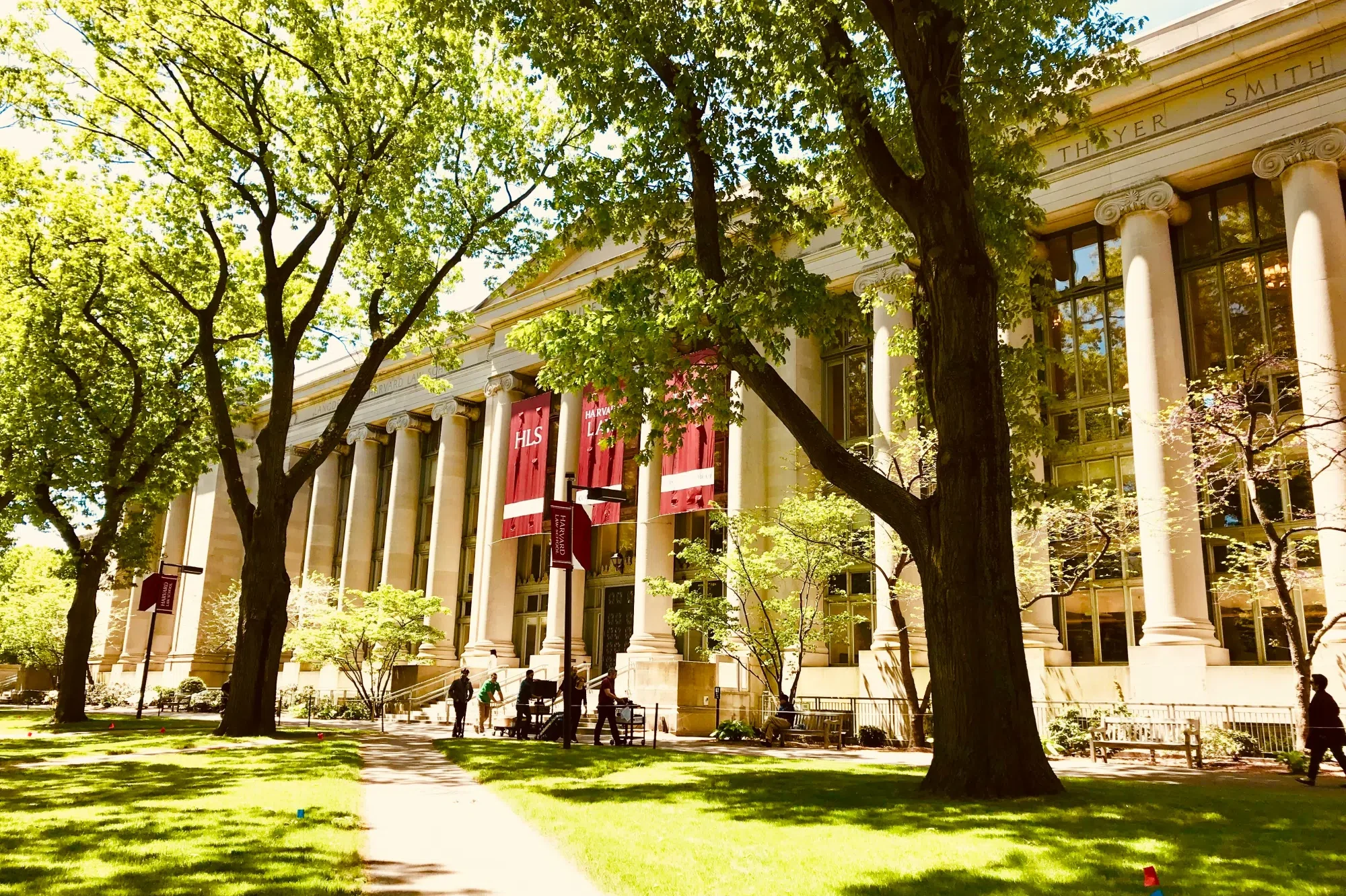
Harvard, MIT, the Max Planck Institute in Göttingen, the University of Ghent, the University of Oxford, Imperial College London, Yale, the University of Ottawa, the University of Tokyo, and Kyoto University are among the institutions where ESPCI students complete research internships.

Grants to Promote International Mobility
Through the ESPCI Fund, the school provides financial assistance to students who are facing the greatest difficulties.
More than 45 mobility grants have thus been established. They supplement government aid and Erasmus+ grants.
Attracting More International Students
ESPCI promotes incoming international student mobility and welcomes students from around the world. International students make up 15% of the engineering program’s student body, and the third-year courses in this program are taught in English.
International Exchanges
International students can enroll at the school as part of a non-degree exchange program, such as Erasmus+. They complete part of their coursework at ESPCI, within an international scientific and academic environment.
These exchange programs promote interaction among students, the discovery of new ways of working, and an openness to other academic cultures.
Admission Outside of a Partnership
Students from non-partner universities may also enroll in the school on an individual basis and pursue the program leading to the ESPCI engineering degree.
Dual Degrees
Students enrolled in a dual-degree program spend an average of two years at ESPCI.
The school has signed about ten agreements with institutions in Brazil, China, Colombia, Japan, and North America.
Some academic partners in the dual-degree program:
- Campinas, Brazil;
- Nanjing, Tongji, and Hangzhou, China;
- Los Andes, UNAL, EIA, and La Javeriana, in Colombia;
- Doshisha, in Japan;
- Georgetown and Polytechnique Montréal, in North America.
A Host Program for International Interns
ESPCI has established a program within its research laboratories designed to host international interns.
Applications are selected directly by the laboratories. The program is open to international students, particularly those from the school’s partner universities.
International students account for 30% of the doctoral students and postdoctoral researchers in the laboratories. The school is also a recipient of a COFUND grant.
Support from Industry Partners
ESPCI’s industry partners contribute to these initiatives. Through the industry-sponsored chairs and the ESPCI Paris Fund, they finance about 15 mobility projects each year.
They also host engineering students from the school for internships at their overseas locations. These collaborations allow them to build relationships with international engineers trained according to the French model.
