History and Heritage of ESPCI Paris – PSL
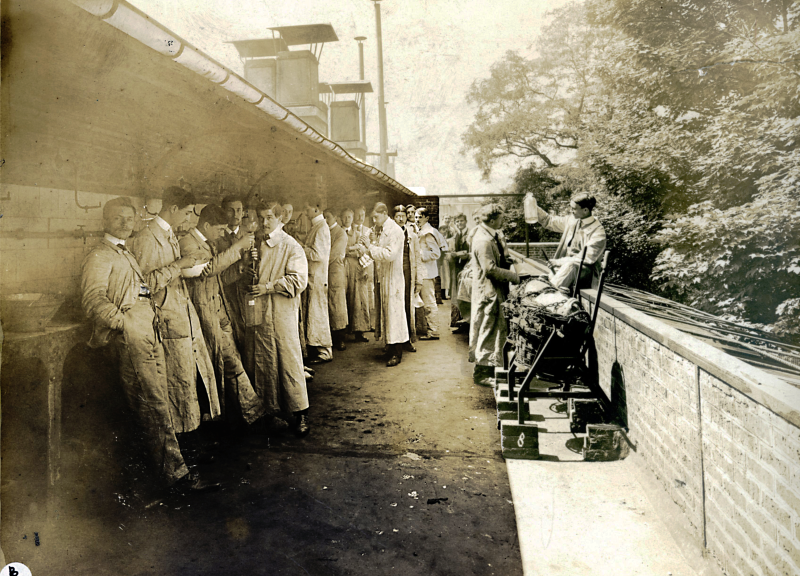
Founded in 1882 under the auspices of the City of Paris, ESPCI Paris - PSL has developed over time: its scientific history is marked by major figures, and its tangible heritage is preserved on the Vauquelin campus (buildings, instrument collections, archives). This legacy continues to inform the school’s educational programs, research, and campus renovation projects.


I would like to recall that all our research was carried out at ESPCI. In all scientific work, the influence of the environment in which one works is of great importance, and part of the results obtained is due to that influence.
Pierre Curie
Conférence à la Sorbonne (18 février 1904)
A school founded in 1882,
supported by the City of Paris
The School of Industrial Physics and Chemistry of the City of Paris was founded in 1882. It was renamed ESPCI in 1948, became ESPCI ParisTech in 2008, and then ESPCI Paris – PSL, to reflect its affiliation with both the City of Paris and PSL University.
An interdisciplinary approach to physics and chemistry has been part of the school’s original mission. The introduction of biology instruction by Pierre-Gilles de Gennes in 1994 is a continuation of this tradition.
Researchers and Discoveries:
A Documented Scientific Legacy
The history of ESPCI is linked to the work conducted in its laboratories and to the scientific careers that have had a lasting impact on research.
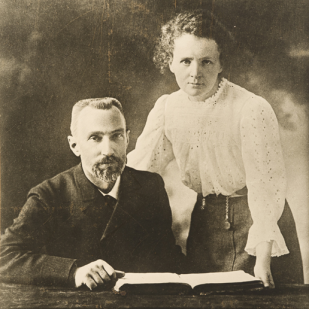
Pierre and Marie Curie
3 Nobel Prizes in Physics in 1903 and in Chemistry in 1911
As pioneers in the field of radioactivity, they discovered polonium and then radium. Their groundbreaking work earned them the Nobel Prize in Physics in 1903 (shared with Henri Becquerel). Marie Curie was the sole recipient of the Nobel Prize in Chemistry in 1911, becoming the first person to win two Nobel Prizes.
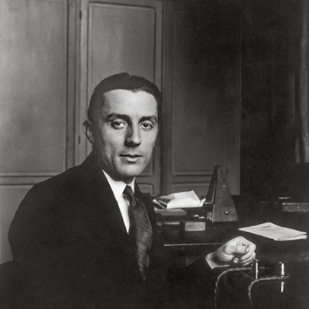
Frédéric Joliot-Curie
Nobel Prize in Chemistry, 1935
An engineering student in the 39th graduating class, he and his wife, Irène Joliot-Curie, were awarded the Nobel Prize in Chemistry in 1935 for the synthesis of new radioactive elements. Following directly in the Curie family’s footsteps, he carried on a family tradition of excellence that is unique in the history of science.
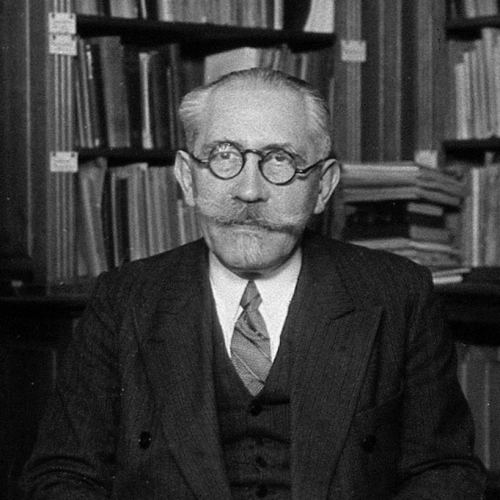
Paul Langevin
Renowned Physicist
An engineering student in the 7th graduating class, who later served as director of academic studies and director of the school, he is a leading figure in French physics. He contributed to the study of magnetism and the dissemination of the theory of relativity, and was the inventor of sonar. A committed scientist and admired educator, he left a lasting mark on the history of ESPCI through his humanistic vision and intellectual rigor.
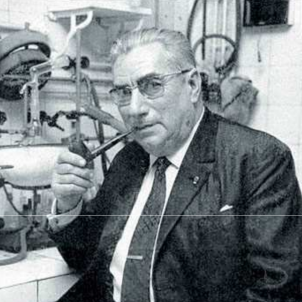
Georges Champetier
Father of Macromolecular Chemistry
An engineering student in the 41st graduating class and director of the school from 1969 to 1975, he is considered the father of macromolecular chemistry in France. His pioneering research on polymers laid the foundations for a discipline that is now central to industry and materials science.
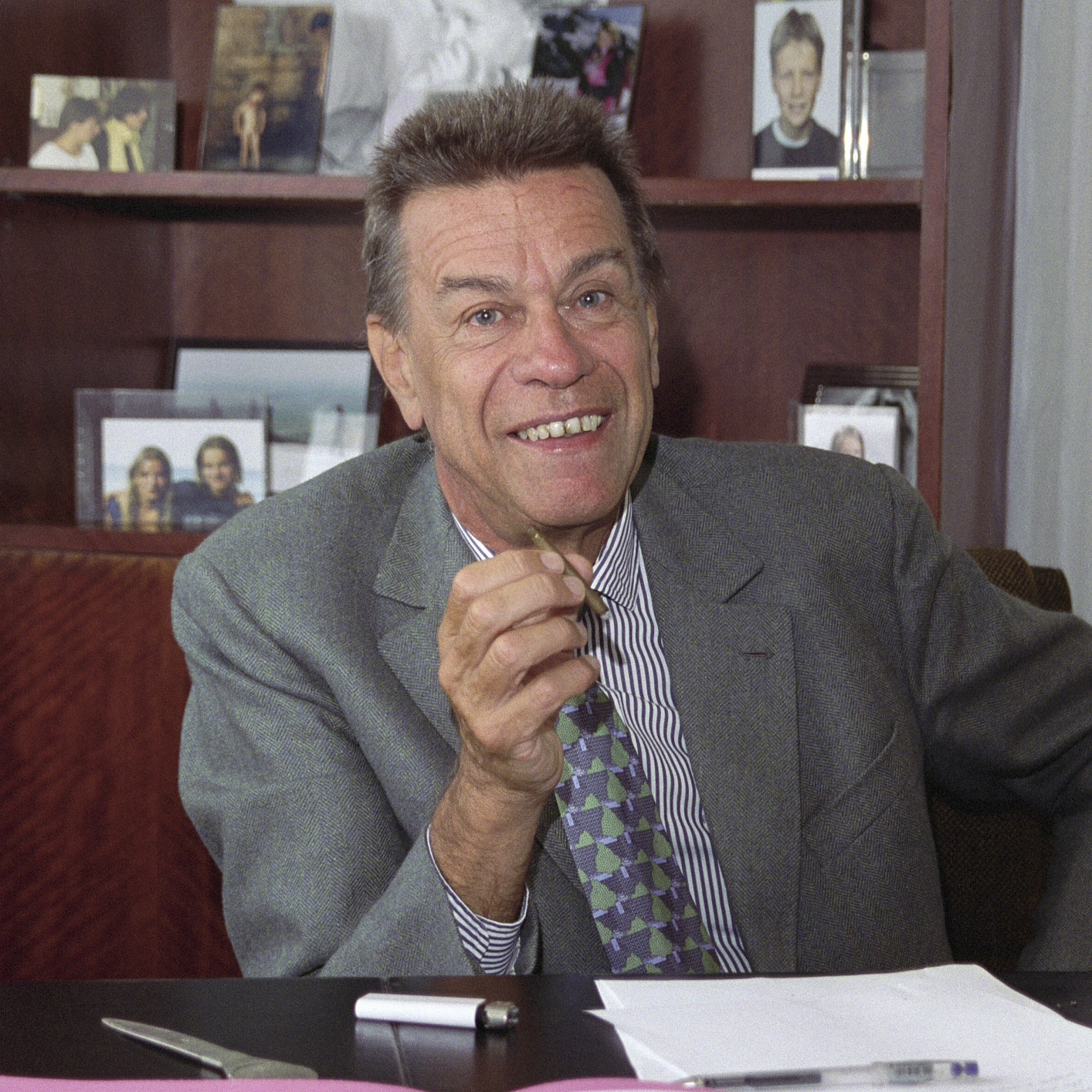
Pierre-Gilles de Gennes
Nobel Prize in Physics, 1991
He became head of the school in 1976 and transformed it profoundly. His work on liquid crystals and polymers earned him the Nobel Prize in Physics in 1991. An exceptional communicator of science, he embodies the combination of academic rigor and creative intuition.
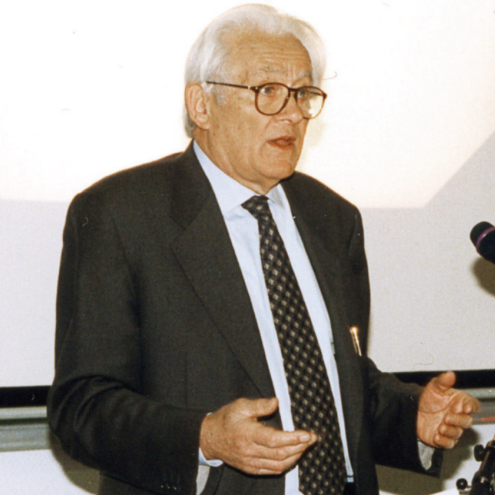
Georges Charpak
Winner of the 1992 Nobel Prize in Physics
An associate professor beginning in 1980, he was awarded the Nobel Prize in Physics in 1992 for the invention of wire-type particle detectors. His innovations revolutionized high-energy physics and have found applications as diverse as nuclear medicine.
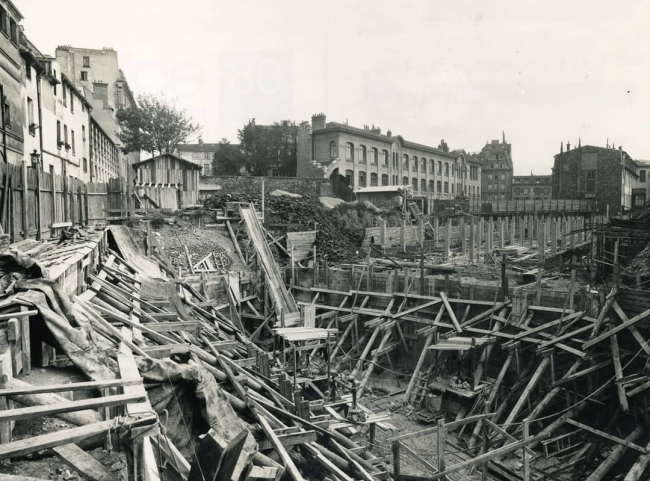
Vauquelin Campus: An Evolving Architectural Heritage
The Vauquelin campus also has a physical history. Originally housed in the former premises of Rollin Middle School, the site was rebuilt in stages during the first half of the 20th century: the oldest buildings date back to 1900, and the north and northeast wings were built in the early 1930s.
This continuity continues today with the campus transformation project: the complete renovation of its buildings aims to adapt the spaces to contemporary teaching and research needs while preserving some of its historical character, such as the Art Deco façade.
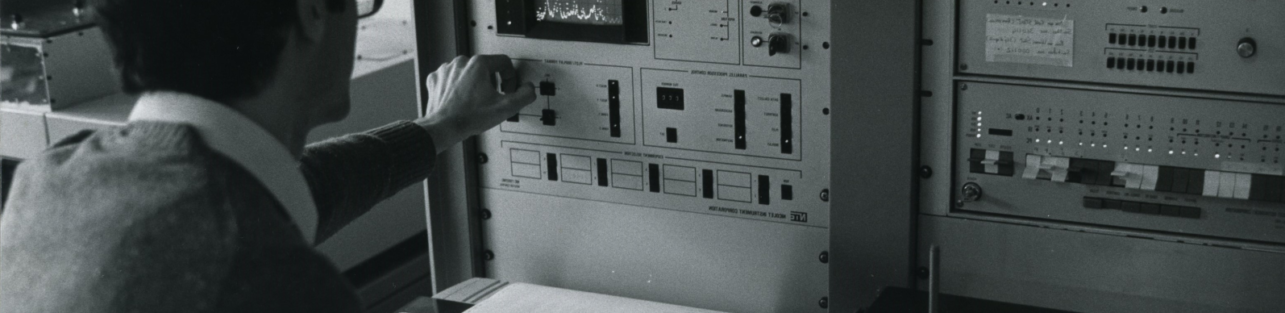
Collections and archives: instruments, objects and documentary heritage
The documented collections include original instruments used by Pierre and Marie Curie in their research leading to the discovery of radioactivity, optical instruments and equipment associated with Charles Féry, as well as devices designed by Fernand Holweck. The heritage collections also include sculptures, medals and extensive archives, including the papers of Paul Langevin, Albin Haller, Pierre Biquard, Georges Champetier, and Georges and André Claude.
Established in 1984 following the School’s centenary celebrations, the Historical Resources Centre is part of the Library and is responsible for collecting, preserving and promoting ESPCI Paris – PSL’s scientific and historical heritage. It assists students, researchers and professionals in locating historical and visual resources relating to the history of ESPCI Paris – PSL.
