ESPCI Engineering Program
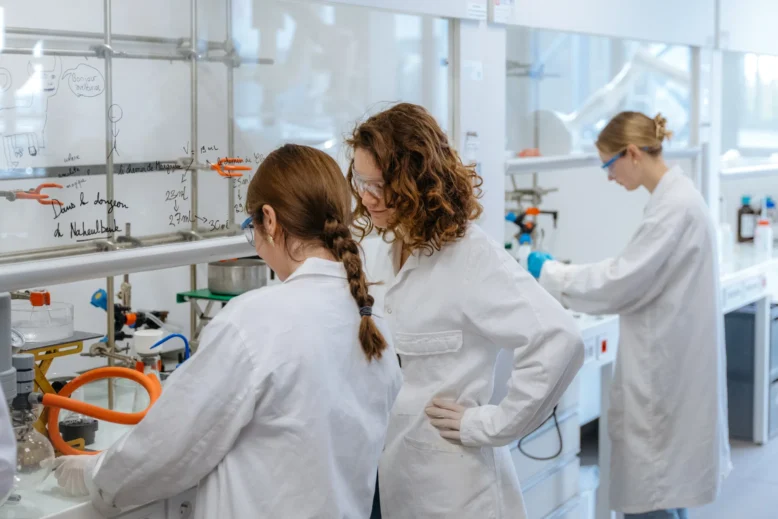
The engineering program at ESPCI Paris – PSL is based on a multidisciplinary curriculum in physics, chemistry, and biology. Closely tied to research, the curriculum combines the acquisition of fundamental concepts, intensive hands-on laboratory work, and exposure to industry and the international community. During the first two years, laboratory work accounts for about half of the program’s duration.

The engineering degree, unique to the French system, is recognized for the excellence and rigor of its curriculum. It provides a pathway to leading careers in science and technology and can be followed by a Ph.D., the highest internationally recognized academic degree.
At ESPCI, you’ll pursue a multidisciplinary program in physics, chemistry, and biology, combining an in-depth understanding of scientific concepts with experimental skills. The program is structured over three years, to which a fourth optional year of advanced study and broadening of horizons may be added.
This program allows you to gradually develop your career path through exposure to academic research, innovation, and the industrial sector.
Some Key Points
- About 50% of the training time devoted to experimental activities during the first two years
- One faculty member for every eight students during lab activities
- About 90 first-year engineering students
- 3rd place in L’Étudiant’s 2026 ranking of engineering schools
- 3rd place in L’Usine Nouvelle’s 2026 rankings and 1st place for research
- Between 35 and 40 percent of young women in each graduating class
The Engineering Program, Year by Year
1st and 2nd Years: Learning the Basics and Experimenting
The first two years provide a common foundation in physics, chemistry, and biology, supplemented by courses in languages and the humanities and social sciences.
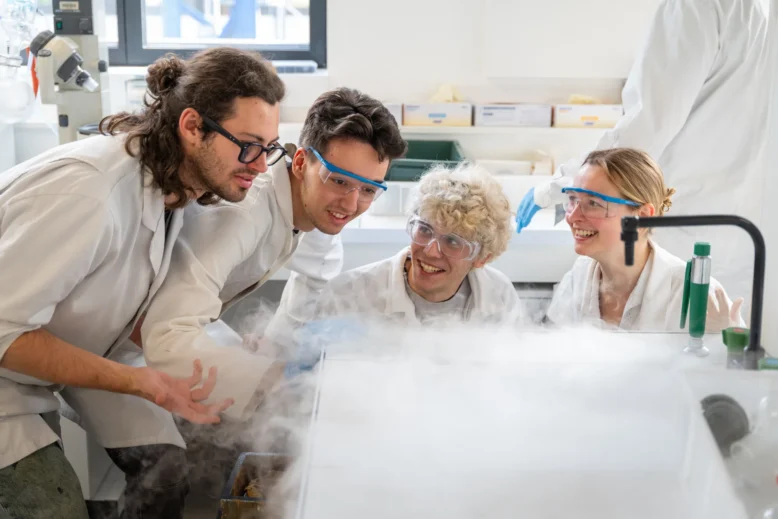
Experiments make up about half of the course schedule. Laboratory work allows students to learn a wide range of laboratory techniques and develop a scientific approach, from formulating a hypothesis to analyzing the results.
Teamwork is central to this program. Conducted in groups of three over three semesters, the Team Science Project exposes you to every stage of a research project: defining the research question, conducting a literature review, conducting experiments, analyzing data, modeling, and discussing future directions. Some projects may lead to a publication or a patent application.
3rd year: Specialize and explore the professional world
The third year marks an important milestone in the specialization of your academic path.
Semester 9
You will complete a five-month industrial internship. This hands-on experience will allow you to apply the knowledge and skills you have acquired during your studies to address real-world scientific and technical challenges. It also provides a unique opportunity to refine your career plans.
Semester 10
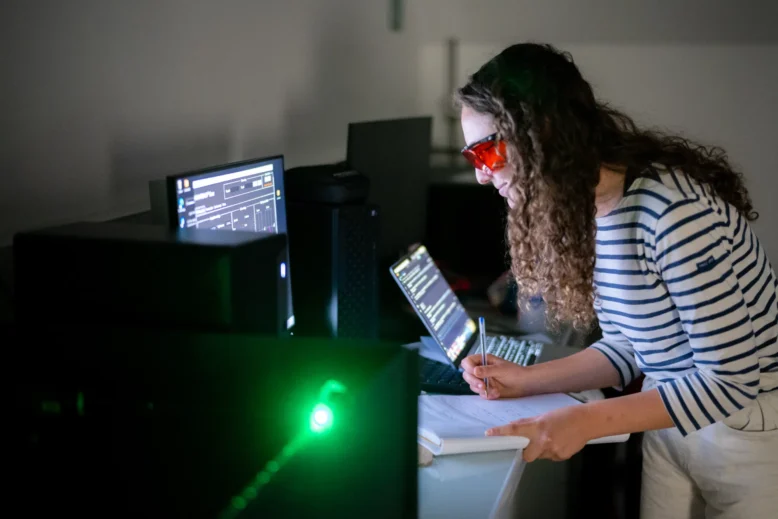
You choose specialized courses in physics, chemistry, physical chemistry, biotechnology, digital sciences, or environmental issues. You will also complete a research project lasting at least eight weeks in a laboratory. The third year includes a mandatory international experience, carried out as part of an internship or a laboratory project.
At the end of this year, you will receive an engineering degree from ESPCI Paris – PSL.
Optional 4th Year: Deepen and Broaden Your Skills
Most students choose to continue their studies into a fourth year in order to deepen their scientific expertise or acquire new skills.
This year can help you:
- to pursue a research-based master’s degree in France or abroad;
- to pursue a dual degree at a foreign university, a prestigious engineering school, or a business school;
- to explore new fields such as economics, entrepreneurship, innovation, design, and public policy.
The wide range of opportunities available at PSL University and its partner institutions allows you to design a personalized academic path that aligns with your career goals.
An Engineering Education Through Research
The program is supported by a particularly active research center, which brings together faculty members, researchers, engineers, doctoral students, and technicians.
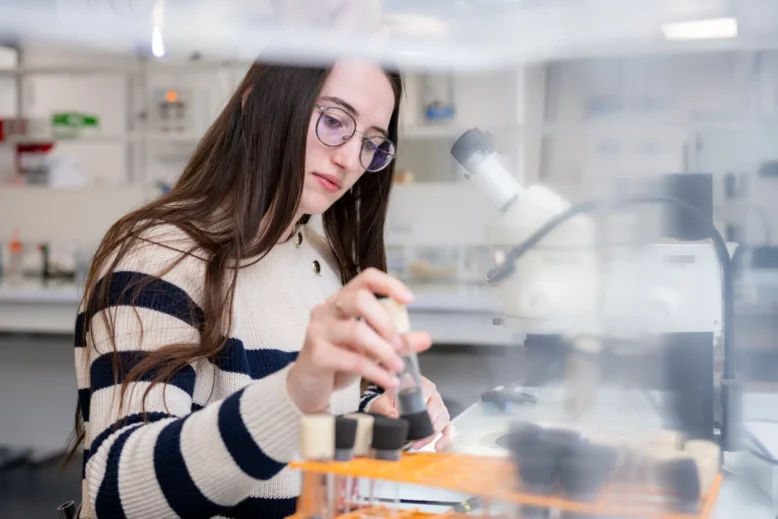
Experimental activities benefit from a high teacher-to-student ratio, with one faculty member for every eight students. This level of support fosters personalized learning, regular interaction with scientific teams, and privileged access to laboratories and research equipment.
The lab exercises are designed to be genuine investigative projects. You don’t simply follow a protocol; you are expected to understand the phenomena you observe, question the results you obtain, and adapt your experimental approach.
The Team-Based Research Project is one of the most formative components of this research-based program. By carrying out a project of your choice from start to finish over the course of three semesters, you will learn to engage with a scientific problem, develop a methodology, and present your findings.
A close-knit community within PSL University
Small class sizes foster close relationships with professors, researchers, and teaching staff, as well as privileged access to laboratories and scientific equipment.
As a member institution of PSL University, ESPCI also offers students the opportunity to broaden their academic experience through “PSL Weeks” and courses offered by other partner institutions.
Located in the heart of the Latin Quarter, the school benefits from a particularly rich scientific environment, in close proximity to numerous laboratories, institutions, companies, and innovation leaders.
A Training Program to Help You Build Your Career Path
From exploring scientific disciplines to advanced specialization, the engineering program allows you to test, refine, and bring your career goals to life.
The training program is based on four key characteristics.
A multidisciplinary scientific education
You will develop a thorough understanding of physics, chemistry, and biology, as well as the mathematical and computational tools needed to study them.
A constant interplay between theory and experimentation
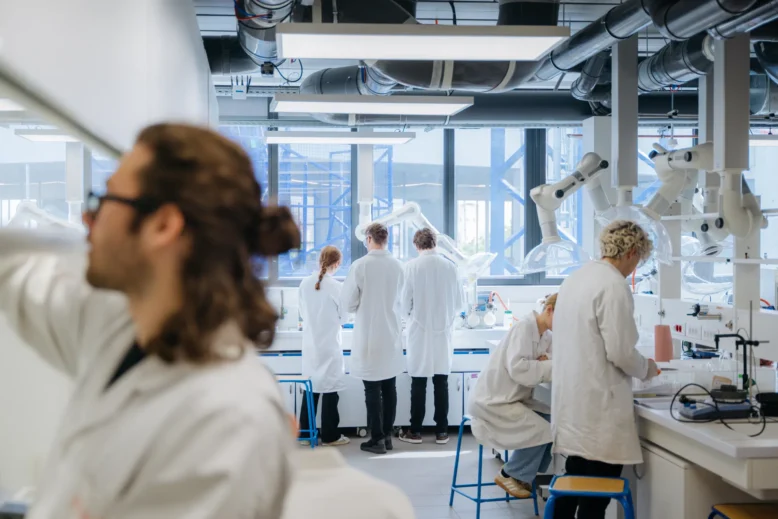
The concepts covered in class are put to the test in the lab. Measurement, observation, protocol design, and analysis of results are an integral part of your learning experience.
A Deep Dive into Research
Lab exercises, the team-based science project, and laboratory projects familiarize you with the methods, requirements, and uncertainties specific to scientific research.
A Gateway to Industry and the International Arena
The industrial internship, the mandatory international experience, and the opportunities for master’s degrees or dual degrees allow you to explore a variety of professional and scientific environments.
In this way, you will develop multidisciplinary expertise, a strong experimental foundation, the ability to innovate, and the independence needed to thrive in scientific and technological fields that are constantly evolving.
What kind of candidates are eligible for the engineering program?
The engineering program recruits candidates with a very strong background in science, from a variety of admission pathways.
The engineering program admits applicants from a variety of backgrounds: students from PC and MP preparatory classes through the joint X-ENS-ESPCI entrance exam, as well as students from PSI and TPC preparatory classes, universities, and BUT programs through admission based on academic qualifications.
These different career paths bring together a diverse range of scientific professionals who are drawn to experimentation, research, and innovation.
Career Opportunities After Completing an Engineering Program
ESPCI’s multidisciplinary and experimental curriculum prepares students for careers in research, industry, innovation, entrepreneurship, or consulting. Graduates work in a variety of scientific and technological fields, both in France and abroad, or choose to pursue a Ph.D. to deepen their expertise.
Promote accessibility to the curriculum
ESPCI has developed several programs designed to support students throughout their education and promote equal opportunity.
The Joliot Scholarships
Available since 2010 to French and international engineering students, the Joliot Scholarships provide additional financial support. Students who receive a CROUs scholarship are automatically eligible for these scholarships, and their monthly stipend is doubled.
Support for People with Disabilities
Students with disabilities may be eligible for curriculum accommodations and a personalized plan for support and accommodations, developed after an assessment of their needs.
Gender Diversity in Graduating Classes
Young women account for an average of 35 to 40 percent of the student body in each graduating class. The school continues its efforts to promote greater representation of women in science programs and careers.
A Vibrant Student Life
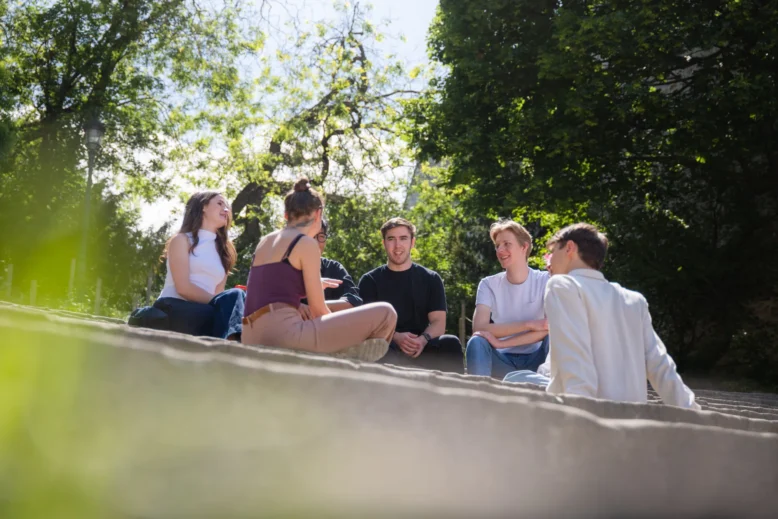
At ESPCI, the academic program is complemented by a vibrant campus life, driven by small class sizes and numerous student organizations in the fields of sports, the arts, science, entrepreneurship, and community service.
Engineering students also receive personalized support regarding financial aid, housing, health care, and integration into PSL University.